Enjoy Loch Doon

Share Enjoy Loch Doon on Facebook Share Enjoy Loch Doon on X (formerly Twitter) Share Enjoy Loch Doon on Linkedin Email Enjoy Loch Doon link

We all love Loch Doon, it's wild, full of nature, fabulous scenery and plenty of scope for walking, cycling, camping, fishing, swimming, kayaking and paddleboarding - a great place to chill and enjoy the great outdoors. We're lucky to have such a special place on our doorsteps. BUT it's also a fragile environment, where our own activities have an impact on plants, animals the landscape and the enjoyment and peace of mind of others.

That's why before you go, please think carefully about what you do while you are there.

Every year we face issues with wildfires, accidents on the water and mess and litter left behind by inconsiderate visitors - this all takes its toll on wildlife and the natural habitat and the people who live and work in the area.

We know that many campers and visitors ARE responsible. They stick to the Scottish Outdoor Access Code, and do their best to "leave no trace", but sadly a minority aren't. We've had fires started by dropped cigarettes, campfires and discarded glass bottles, trees cut down for firewood and animals affected by discarded litter.

As a result East Ayrshire Council is proposing to implement enforceable bylaws, meaning camping is restricted to certain areas and is by permit only. On this page you can find out all about what you CAN and CAN'T do, to help make your time at this beautiful spot enjoyable both for you and for everyone else who visits.

Camping byelaws consultation

To help keep Loch Doon a beautiful, unspoilt and healthy environment for all those who live work and visit, and in response to calls from local residents, visitors and workers, we've launched a consultation on our proposed enforceable byelaws. By introducing these byelaws we will be able to specify which areas are safe and suitable for camping, protecting the area from unnecessary damage and antisocial behaviour. This consultatation runs until 6 November 2026 and we'd like everyone who has an interest in the area to tell us what you think.

We all love Loch Doon, it's wild, full of nature, fabulous scenery and plenty of scope for walking, cycling, camping, fishing, swimming, kayaking and paddleboarding - a great place to chill and enjoy the great outdoors. We're lucky to have such a special place on our doorsteps. BUT it's also a fragile environment, where our own activities have an impact on plants, animals the landscape and the enjoyment and peace of mind of others.

That's why before you go, please think carefully about what you do while you are there.

Every year we face issues with wildfires, accidents on the water and mess and litter left behind by inconsiderate visitors - this all takes its toll on wildlife and the natural habitat and the people who live and work in the area.

We know that many campers and visitors ARE responsible. They stick to the Scottish Outdoor Access Code, and do their best to "leave no trace", but sadly a minority aren't. We've had fires started by dropped cigarettes, campfires and discarded glass bottles, trees cut down for firewood and animals affected by discarded litter.

As a result East Ayrshire Council is proposing to implement enforceable bylaws, meaning camping is restricted to certain areas and is by permit only. On this page you can find out all about what you CAN and CAN'T do, to help make your time at this beautiful spot enjoyable both for you and for everyone else who visits.

Camping byelaws consultation

To help keep Loch Doon a beautiful, unspoilt and healthy environment for all those who live work and visit, and in response to calls from local residents, visitors and workers, we've launched a consultation on our proposed enforceable byelaws. By introducing these byelaws we will be able to specify which areas are safe and suitable for camping, protecting the area from unnecessary damage and antisocial behaviour. This consultatation runs until 6 November 2026 and we'd like everyone who has an interest in the area to tell us what you think.

  • Responsible camping

    Share Responsible camping on Facebook Share Responsible camping on X (formerly Twitter) Share Responsible camping on Linkedin Email Responsible camping link

    To help keep Loch Doon safe and enjoyable for everyone who visits, we're introducing a Byelaw covering Loch Doon Camping Management.

    Taking some time to understand these and the Scottish Outdoor Access Code will mean you can be sure that your stay is safer, more enjoyable and respectful to the area, its residents and other visitors.

    About the Scottish Outdoor Access Code

    The Scottish Outdoor Access Code sets out the rights and responsibilities for responsible access to most land and inland water in Scotland for recreation, education, and travel. The Scottish Outdoor Access Code is a legal framework established under the Land Reform (Scotland) Act 2003 that formalises Scotland’s tradition of universal access to land and inland waters. It provides guidance for both the public and land managers on how to exercise and respect access rights responsibly. Access rights apply to most land, including hills, moors, forests, beaches, rivers, lochs, parks, and some farmland, but exclude private areas such as houses, gardens, school grounds, and places charging for entry

    How to camp

    Scotland offers a wide range of managed campsites with facilities for an enjoyable and comfortable visit, and these can be a much better option in busy areas. You can find campsites and other accommodation through VisitScotland.

    Cool campers always:

    • Use small tents and camp well away from buildings and roads and have a backup plan to go somewhere else if it’s busy.
    • Avoid camping in enclosed fields of crops or farm animals.
    • Take away all belongings and litter and leave no trace of their visit.

    Cooking and keeping warm

    Although Scotland often appears cool and wet, the land can suffer from wildfires, which devastate wildlife and local communities. We may enjoy the romantic idea of an open fire, but the reality is that these can quickly get out of control.

    To prevent fire-related incidents:

    • Don't light an open fire, including in fire bowls or BBQs, during times of high fire risk (prolonged periods of dry weather) or near forests, farmland, peaty ground, or close to buildings, or historic sites.
    • Always pay attention to fire danger warnings, information from the Scottish Fire and Rescue Service, and follow all local advice.
    • If you need to, use a camping stove to cook your food. Place it on a level, non-flammable surface away from dry grass and vegetation (and your tent!) and keep a close watch while using it.
    • When cleaning up, pick up any pieces of broken glass with the rest of your rubbish, as these act as a magnifying glass for the sun and can start fires. Also, take away cigarette ends as, although they seem to cool down quickly, they can still ignite dry grass if left on the ground.
    • Remember that deadwood provides a home and food for many creatures and is vital for the ecosystem. So, leave the wood on the ground and never cut down or damage trees.
    • Report any out-of-control fires by calling 999 immediately.

    More information

    For more tips on camping in Scotland visit NatureScot's webpages Be a Cool Camper

    To help keep Loch Doon safe and enjoyable for everyone who visits, we're introducing a Byelaw covering Loch Doon Camping Management.

    Taking some time to understand these and the Scottish Outdoor Access Code will mean you can be sure that your stay is safer, more enjoyable and respectful to the area, its residents and other visitors.

    About the Scottish Outdoor Access Code

    The Scottish Outdoor Access Code sets out the rights and responsibilities for responsible access to most land and inland water in Scotland for recreation, education, and travel. The Scottish Outdoor Access Code is a legal framework established under the Land Reform (Scotland) Act 2003 that formalises Scotland’s tradition of universal access to land and inland waters. It provides guidance for both the public and land managers on how to exercise and respect access rights responsibly. Access rights apply to most land, including hills, moors, forests, beaches, rivers, lochs, parks, and some farmland, but exclude private areas such as houses, gardens, school grounds, and places charging for entry

    How to camp

    Scotland offers a wide range of managed campsites with facilities for an enjoyable and comfortable visit, and these can be a much better option in busy areas. You can find campsites and other accommodation through VisitScotland.

    Cool campers always:

    • Use small tents and camp well away from buildings and roads and have a backup plan to go somewhere else if it’s busy.
    • Avoid camping in enclosed fields of crops or farm animals.
    • Take away all belongings and litter and leave no trace of their visit.

    Cooking and keeping warm

    Although Scotland often appears cool and wet, the land can suffer from wildfires, which devastate wildlife and local communities. We may enjoy the romantic idea of an open fire, but the reality is that these can quickly get out of control.

    To prevent fire-related incidents:

    • Don't light an open fire, including in fire bowls or BBQs, during times of high fire risk (prolonged periods of dry weather) or near forests, farmland, peaty ground, or close to buildings, or historic sites.
    • Always pay attention to fire danger warnings, information from the Scottish Fire and Rescue Service, and follow all local advice.
    • If you need to, use a camping stove to cook your food. Place it on a level, non-flammable surface away from dry grass and vegetation (and your tent!) and keep a close watch while using it.
    • When cleaning up, pick up any pieces of broken glass with the rest of your rubbish, as these act as a magnifying glass for the sun and can start fires. Also, take away cigarette ends as, although they seem to cool down quickly, they can still ignite dry grass if left on the ground.
    • Remember that deadwood provides a home and food for many creatures and is vital for the ecosystem. So, leave the wood on the ground and never cut down or damage trees.
    • Report any out-of-control fires by calling 999 immediately.

    More information

    For more tips on camping in Scotland visit NatureScot's webpages Be a Cool Camper

  • Reporting an issue

    Share Reporting an issue on Facebook Share Reporting an issue on X (formerly Twitter) Share Reporting an issue on Linkedin Email Reporting an issue link

    If you see someone in danger, or behaving in ways that can endanger themselves, other people, wildlife or the environment here's what to do:

    • Call 999 and ask for Police, Fire, Ambulance or Coastguard as soon as you can
    • Keep yourself safe and then work out what you can do to help

    Water safety

    If you see someone in danger in the water please DON'T attempt to go in yourself. Call for help first. There are numerous life saving and water safety devices located at points around the Loch and there is a defibrillator at the Round House Cafe and visitor centre. These are checked weekly.

    Find out more about keeping safe in and around the water:

    Visit Water Safety Scotland webpages

    Fly - tipping

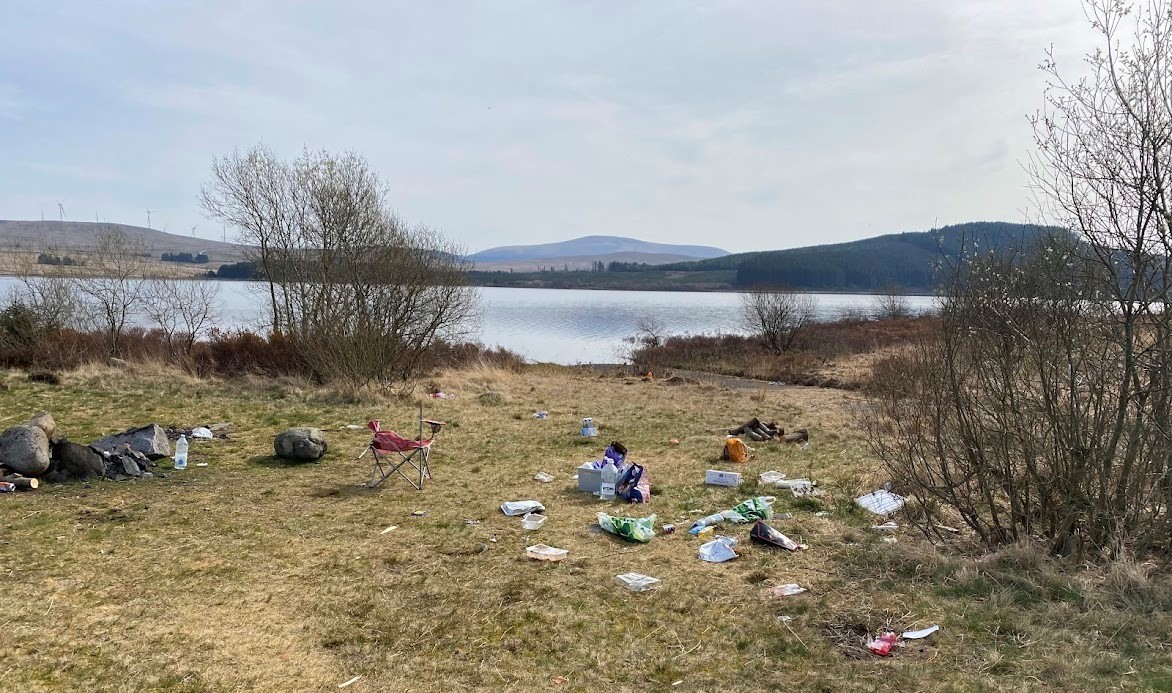
    If you come across fly tipping please help us by reporting it using our online system. It's quick and easy to use. If you can supply us with some simple details we have a good track record of catching and convicting offenders. Please help us by reporting:

    • date, time and location of the incident (you can use what3words, post code or map co-ordinates)
    • what has been dumped - please don't touch anything or open any bags in case it's hazardous - we just need a visual appraisal)
    • description of any vehicles (make, model, any name/logo on it, and registration number if possible
    • photos if possible and safe to do so
    • your contact details

    Report fly-tipping

    Fire safety

    Help reduce wildfires and protect Scotland

    Wildfires pose a serious threat to Scotland's landscapes, wildlife, and communities. We can all play a part in preventing them. By following a few simple guidelines, we can protect the places we love and keep ourselves safe.

    • Follow the Scottish Outdoor Access Code’s advice and never start a fire when a wildfire danger assessment is in place and during prolonged dry periods in areas such as forests, woods, farmland or peaty ground.
    • Don’t have BBQs, on any flammable surface during very dry and prolonged weather. Instead have them within safe designated BBQ areas.
    • Don’t have campfires or any outdoor fire when a wildfire danger assessment is in place or during prolonged dry periods.
    • Always fully extinguish cigarettes and dispose of them responsibly.
    • Don’t leave litter, take it home with you and leave no trace. Glass in direct sunlight can cause a fire. Ensure none is lying around.
    • Where possible use a stove rather than an open fire.
    • If you do light a fire, keep it small, controlled and supervised
    • Make sure the fire has been fully extinguished and remove all traces of an open fire before you leave the area.

    Wildfire prevention

    Protecting your home from wildfires

    If you see someone in danger, or behaving in ways that can endanger themselves, other people, wildlife or the environment here's what to do:

    • Call 999 and ask for Police, Fire, Ambulance or Coastguard as soon as you can
    • Keep yourself safe and then work out what you can do to help

    Water safety

    If you see someone in danger in the water please DON'T attempt to go in yourself. Call for help first. There are numerous life saving and water safety devices located at points around the Loch and there is a defibrillator at the Round House Cafe and visitor centre. These are checked weekly.

    Find out more about keeping safe in and around the water:

    Visit Water Safety Scotland webpages


    Fly - tipping

    If you come across fly tipping please help us by reporting it using our online system. It's quick and easy to use. If you can supply us with some simple details we have a good track record of catching and convicting offenders. Please help us by reporting:

    • date, time and location of the incident (you can use what3words, post code or map co-ordinates)
    • what has been dumped - please don't touch anything or open any bags in case it's hazardous - we just need a visual appraisal)
    • description of any vehicles (make, model, any name/logo on it, and registration number if possible
    • photos if possible and safe to do so
    • your contact details

    Report fly-tipping

    Fire safety

    Help reduce wildfires and protect Scotland

    Wildfires pose a serious threat to Scotland's landscapes, wildlife, and communities. We can all play a part in preventing them. By following a few simple guidelines, we can protect the places we love and keep ourselves safe.

    • Follow the Scottish Outdoor Access Code’s advice and never start a fire when a wildfire danger assessment is in place and during prolonged dry periods in areas such as forests, woods, farmland or peaty ground.
    • Don’t have BBQs, on any flammable surface during very dry and prolonged weather. Instead have them within safe designated BBQ areas.
    • Don’t have campfires or any outdoor fire when a wildfire danger assessment is in place or during prolonged dry periods.
    • Always fully extinguish cigarettes and dispose of them responsibly.
    • Don’t leave litter, take it home with you and leave no trace. Glass in direct sunlight can cause a fire. Ensure none is lying around.
    • Where possible use a stove rather than an open fire.
    • If you do light a fire, keep it small, controlled and supervised
    • Make sure the fire has been fully extinguished and remove all traces of an open fire before you leave the area.

    Wildfire prevention

    Protecting your home from wildfires

  • Enjoy your picnic

    Share Enjoy your picnic on Facebook Share Enjoy your picnic on X (formerly Twitter) Share Enjoy your picnic on Linkedin Email Enjoy your picnic link

    supporting image

    Summer means picnics and barbecues

    Eating outdoors should be fun and leave no trace, make it easy for yourself by following these tips. Packing up your picnic waste and bringing it home ensures it actually gets recycled rather than ending up in a littered park.

    Simple steps for picnic recycling:

    • Bring two bags: Dedicate one bag for general rubbish and one for clean recycling.
    • Keep caps on: Leave plastic bottle caps attached so they do not get lost in nature.
    • Squash your cans: Crush aluminium cans and plastic bottles to save space in your bag.
    • Wipe it down: Use a leftover damp napkin to wipe residue out of plastic tubs.
    • Pack a tea towel: Bring a reusable cloth to clean up spills instead of paper kitchen roll.
    • BBQs and campfires: Please DON'T light fires or use disposable barbeques at Loch Doon - any heat on the ground can start a peat fire, and the smallest spark can create a wildfire in minutes. If you have to cook, please use suitable camping stoves and keep away from vegetation when you do so.

    Summer means picnics and barbecues

    Eating outdoors should be fun and leave no trace, make it easy for yourself by following these tips. Packing up your picnic waste and bringing it home ensures it actually gets recycled rather than ending up in a littered park.

    Simple steps for picnic recycling:

    • Bring two bags: Dedicate one bag for general rubbish and one for clean recycling.
    • Keep caps on: Leave plastic bottle caps attached so they do not get lost in nature.
    • Squash your cans: Crush aluminium cans and plastic bottles to save space in your bag.
    • Wipe it down: Use a leftover damp napkin to wipe residue out of plastic tubs.
    • Pack a tea towel: Bring a reusable cloth to clean up spills instead of paper kitchen roll.
    • BBQs and campfires: Please DON'T light fires or use disposable barbeques at Loch Doon - any heat on the ground can start a peat fire, and the smallest spark can create a wildfire in minutes. If you have to cook, please use suitable camping stoves and keep away from vegetation when you do so.

    You need to be signed in to add your comment.

    You need to be signed in to add your comment.

  • Water safety

    Share Water safety on Facebook Share Water safety on X (formerly Twitter) Share Water safety on Linkedin Email Water safety link
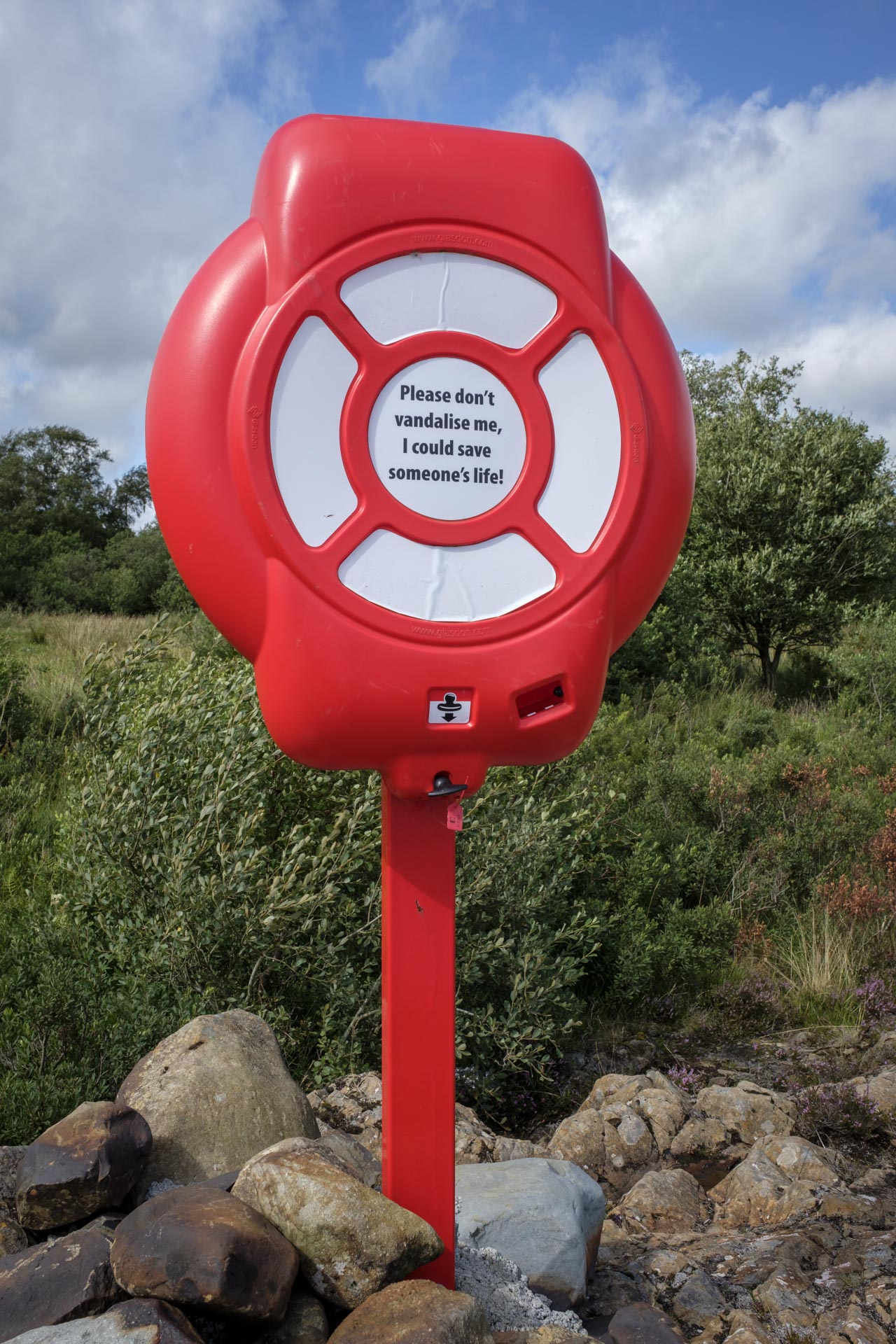
    Loch Doon is very deep, very cold and has strong currents. Even on a hot day in summer it's very easy to get cold water shock - which can klll very quickly.

    Setting off

    Before you set off to kayak, paddleboard, sail, swim or fish make sure you've checked the wind and water conditions, An offshore wind can get you into trouble very quickly and should be avoided. There's always another day if conditions aren't right.

    • Always wear appropriate gear - wetsuit flotation device, lifejacket, swim float and use a leash if you're on a paddleboard. Wear bright clothing which is easily seen
    • Where possible take your mobile phone in a waterproof case, but be aware there may be areas where a signal is not possible.
    • Make sure you have warm clothing food and water available and the means to dry quickly and heat up afterwards.
    • Around the shores of Loch Doon there are numerous water safety devices and a defbrilloator at the Round House. Check out their locations before you take to the water.

    Before you set off to have fun in and around the water make please:

    • Be aware of cold water shock
    • Keep off all frozen waters
    • Check for safety signage and equipment
    • Avoid alcohol and drugs
    • The depth of the water may hide underwater ledges, hidden currents and unseen items
    • Be aware of other water activities
    • If it is safe to enter the water, ensure you have a safe way out
    • At the coast, consider rip currents, wind and tide
    • At Loch Doon please be aware of the currents caused by weirs and dams

    While you're in or on the water

    Remember Loch water is deep with strong currents and very cold beneath the surface. Don't attempt water activities unless you are experienced and have suitable training for your activity. If you're paddleboarding, sailing or kayaking enrol for some of the many training sessions on offer through RNLI, East Ayrshire Council and sailling clubs around the country.

    Always keep an eye on conditions - it may be sunny and warm when you set off but conditions and wind direction can change rapidly. Know your capabilities and stick within them.

    If you see someone in trouble

    • DO NOT enter the water
    • Look for a throw line or life ring to help whilst you wait on the emergency services
    • Call 999 or 112

    If you are in trouble in the water

    • float until you feel calm
    • Lean back, extend your arms and legs
    • Float until you can control your breathing
    • Call for help or swim to safety

    Loch Doon is very deep, very cold and has strong currents. Even on a hot day in summer it's very easy to get cold water shock - which can klll very quickly.

    Setting off

    Before you set off to kayak, paddleboard, sail, swim or fish make sure you've checked the wind and water conditions, An offshore wind can get you into trouble very quickly and should be avoided. There's always another day if conditions aren't right.

    • Always wear appropriate gear - wetsuit flotation device, lifejacket, swim float and use a leash if you're on a paddleboard. Wear bright clothing which is easily seen
    • Where possible take your mobile phone in a waterproof case, but be aware there may be areas where a signal is not possible.
    • Make sure you have warm clothing food and water available and the means to dry quickly and heat up afterwards.
    • Around the shores of Loch Doon there are numerous water safety devices and a defbrilloator at the Round House. Check out their locations before you take to the water.

    Before you set off to have fun in and around the water make please:

    • Be aware of cold water shock
    • Keep off all frozen waters
    • Check for safety signage and equipment
    • Avoid alcohol and drugs
    • The depth of the water may hide underwater ledges, hidden currents and unseen items
    • Be aware of other water activities
    • If it is safe to enter the water, ensure you have a safe way out
    • At the coast, consider rip currents, wind and tide
    • At Loch Doon please be aware of the currents caused by weirs and dams

    While you're in or on the water

    Remember Loch water is deep with strong currents and very cold beneath the surface. Don't attempt water activities unless you are experienced and have suitable training for your activity. If you're paddleboarding, sailing or kayaking enrol for some of the many training sessions on offer through RNLI, East Ayrshire Council and sailling clubs around the country.

    Always keep an eye on conditions - it may be sunny and warm when you set off but conditions and wind direction can change rapidly. Know your capabilities and stick within them.

    If you see someone in trouble

    • DO NOT enter the water
    • Look for a throw line or life ring to help whilst you wait on the emergency services
    • Call 999 or 112

    If you are in trouble in the water

    • float until you feel calm
    • Lean back, extend your arms and legs
    • Float until you can control your breathing
    • Call for help or swim to safety
Page last updated: 10 Aug 2026, 05:19 PM